

Filtration across drug development
Pharmaceuticals, from vaccines and antibiotics to vitamins and pain relievers, have transformed modern health. Behind every one of them is a development process that depends on filtration at almost every step.
New drug candidates move from laboratory research through testing for safety and effectiveness, then through regulatory review and into manufacturing. Along the way, filters prepare research samples, remove microorganisms from products that cannot be heat sterilized, protect gas lines, and clean up samples for quality testing.
Where filtration fits
- Research and sample prepMedia and buffers are sterile filtered, samples are clarified, and proteins are concentrated with centrifugal filter tubes.
- Process development and scale-upFilters proven at the bench are tested at larger volumes before moving into production.
- Sterile filtrationDrug solutions that cannot be heat sterilized are passed through sterilizing-grade membranes. 0.2 / 0.22 µm
- Gas and vent filtrationAir and gases entering tanks and bioreactors pass through hydrophobic filters to keep contaminants out. 0.2 µm hydrophobic
- Quality control testingSamples are filtered before HPLC and other analysis, and membrane filters are used in microbial testing.
What sterilizing-grade filtration means
Many drugs, especially proteins and other biologics, would be damaged by heat. For these products, sterilization is done by filtration. A sterilizing-grade filter is a membrane, typically rated 0.2 or 0.22 µm, that has been validated to retain a high challenge of a small test bacterium. In regulated manufacturing, the filter and the process it is used in are both validated before use.
How to choose the right filter
Membrane material
For aqueous drug solutions and protein samples, low protein binding hydrophilic membranes such as PES, PVDF, and cellulose acetate are common choices. PTFE is used for aggressive solvents and for gas and vent lines, since it is hydrophobic and chemically resistant.
Scaling up
Most work starts with syringe filters and membrane filters at the bench, then moves to capsule filters as volumes grow. Keeping the same membrane material and pore size as you scale helps keep results consistent.
Documentation
Regulated work often requires product documentation. Datasheets and certificates of analysis are on our Downloads and Datasheets page, and our team can help with documentation for specific products.
Best practices
- Use a prefilter on heavily loaded solutions so the sterilizing filter does not clog.
- Check membrane compatibility with your solvents and cleaning agents using the chemical compatibility chart.
- Run small-scale trials before changing filters in an established process.
- Use a new filter for every sample in QC testing to avoid cross-contamination.
Products used in this workflow
-
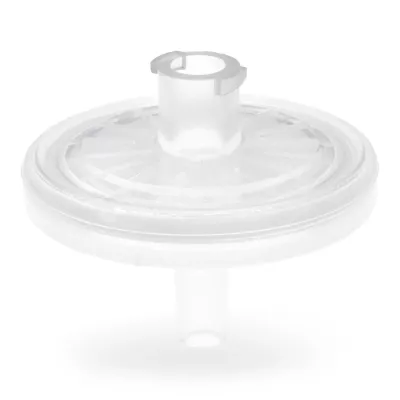
Syringe Filters
Sample prep and small-volume filtration.
Shop Syringe Filters -
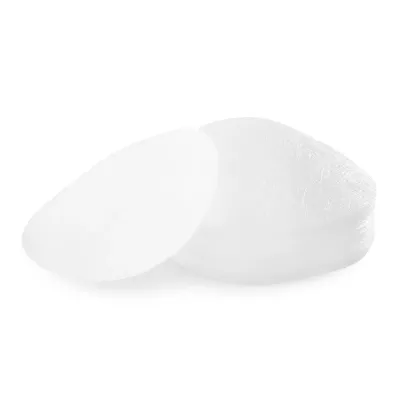
Membrane Filters
Vacuum filtration and microbial testing.
Shop Membrane Filters -
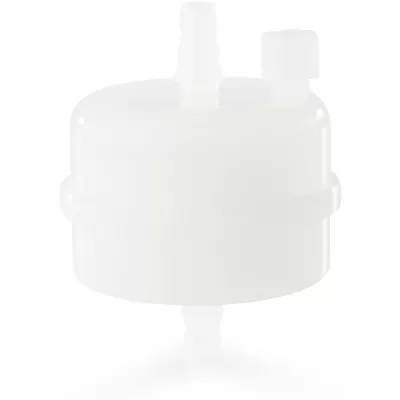
Capsule Filters
Inline filtration for larger volumes.
Shop Capsule Filters -
Centrifugal Filter Tubes
Concentrating proteins and exchanging buffers.
Shop Centrifugal Filters
Frequently asked questions
Why is filtration so important in pharmaceutical manufacturing?
Filtration removes particulates and microorganisms that could affect a drug’s safety or quality. It is used at nearly every stage, from preparing research samples to sterile filtering finished products and protecting gas lines.
What is a sterilizing-grade filter?
A sterilizing-grade filter is a membrane, typically rated 0.2 or 0.22 µm, that has been validated to retain a high challenge of a small test bacterium. It is used to sterile filter liquids that cannot be heat sterilized.
Which membrane is best for filtering drug solutions?
For aqueous solutions, low protein binding hydrophilic membranes such as PES, PVDF, and cellulose acetate are common choices. PTFE is used for aggressive solvents and for gas and vent lines.
Can I use the same filter from R&D through production?
Keeping the same membrane material and pore size as you scale from syringe filters to membrane discs to capsule filters helps keep results consistent. Confirm flow and pressure ratings for the larger format and any documentation your process requires.
Where can I find product documentation?
Datasheets, certificates of analysis, and other documentation are on our Downloads and Datasheets page. For documentation on a specific product or lot, contact our team.