


How filtration supports compliance
Filtration plays two roles in regulated industries. It treats products, water, and waste so they meet safety standards, and it prepares samples for the tests that prove they do. In testing, the filter has to match what the method specifies and must not add contaminants of its own.
Drinking Water Testing
A water sample is filtered through a 47 mm, 0.45 µm cellulose ester membrane that retains bacteria, which are then grown on a medium to detect total coliforms and E. coli.
Waste & Leachate Testing
The Toxicity Characteristic Leaching Procedure (TCLP) shows whether a waste could leach hazardous contaminants. It calls for binder-free borosilicate glass fiber filters rated 0.6 to 0.8 µm.
Ambient Air Compliance
EPA reference methods measure particulate in outdoor air on filters. The PM2.5 method calls for 46.2 mm PTFE filters with a 2.0 µm pore size.
Popular products for compliance testing
-
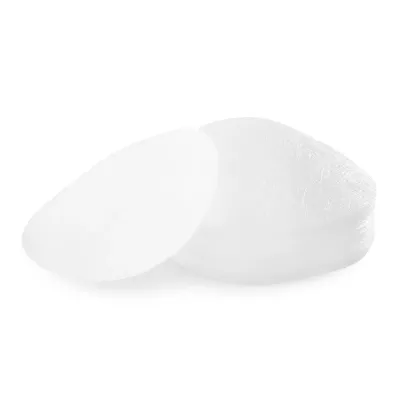 Air Monitoring Filters
PTFE PM2.5 Air Monitoring Membrane Filter, 2.0µm, 46.2mm, w/Support Ring, 50/Pk
Lot-tested against 40 CFR Part 50, Appendix L criteriaView Product -
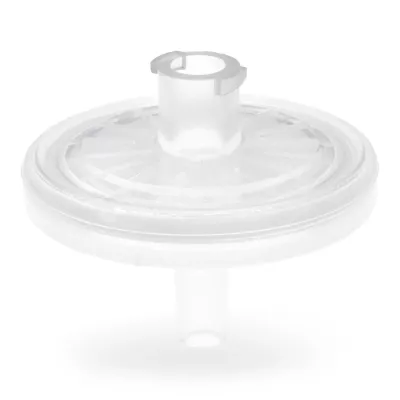 Syringe Filters
PES Syringe Filters, 0.45µm, 25mm, Nonsterile, 100/Pk
Sample prep for aqueous samples before analysis$121.95View Product
Looking for something else? Browse all membrane filters, syringe filters, or the full catalog.
Quick reference
Open a section when you need it.
Which filter does my test method call for?EPA Method 1604, EPA Method 1311, and the PM2.5 reference method
| Method | What it tests | Filter |
|---|---|---|
| EPA Method 1604 | Total coliforms and E. coli in water | 47 mm, 0.45 µm cellulose ester membrane |
| EPA Method 1311 (TCLP) | Leaching potential of waste | Binder-free borosilicate glass fiber, 0.6 to 0.8 µm retention |
| 40 CFR Part 50, Appendix L | PM2.5 in ambient air | 46.2 mm PTFE membrane, 2.0 µm pore size |
Always confirm filter requirements against the current version of the method you are running.
Where do I find filter documentation?Datasheets and certificates of analysis
Datasheets, certificates of analysis, and other product documentation are on our Downloads and Datasheets page. If you need documentation for a specific lot, contact our team.
Compliance filtration FAQs
What filter does EPA Method 1604 use?
EPA Method 1604 filters the water sample, 100 mL for drinking water, through a 47 mm, 0.45 µm pore size cellulose ester membrane that retains the bacteria present. The membrane is then incubated on MI medium to detect total coliforms and E. coli.
What filter does TCLP (EPA Method 1311) call for?
TCLP calls for binder-free borosilicate glass fiber filters with a 0.6 to 0.8 µm particle retention rating.
Does the filter itself matter for compliance testing?
Yes. Each method specifies the filter material and pore size it was validated with, and the filter must not add contaminants or interfere with the analysis. Always match the filter to the method you are running.
Where can I find datasheets and certificates of analysis?
Datasheets, certificates of analysis, and other documentation are on our Downloads and Datasheets page.
What if I am not sure which filter my method requires?
Talk to one of our filtration specialists. Share the method you are running and we will help you find a filter that matches it.