

What process gas filtration is
Many manufacturing processes run on gas, from the nitrogen that flushes food packaging to the specialty gases used to build semiconductors. Process gas filtration removes particulates, liquids, and other contaminants from those gases before they reach the process.
Filters are a flexible way to do it. They come in a range of pore sizes, materials, and formats, so they can be matched to high temperatures, corrosive gases, or very fine particulates. Clean gas protects the quality of the product and keeps valves, instruments, and other equipment running.
Where process gas filtration is used
Chemical production
Many common chemicals are made from process gases. Ammonia is produced from nitrogen and hydrogen, nitric acid is made from ammonia, and urea is made from ammonia and carbon dioxide. Clean feed gases help keep these reactions consistent.
Semiconductor manufacturing
Dry etching uses gases and plasma to remove material from a wafer and form a circuit pattern. Because the features are so small, the gases used must be extremely pure.
Food and beverage packaging
Oxygen speeds up spoilage. Modified Atmosphere Packaging (MAP) replaces the air in a package with a controlled gas mix, often nitrogen, carbon dioxide, or both, to help preserve color, texture, and flavor and extend shelf life. Filtering those gases keeps contaminants out of the package.
Pharmaceutical and biotech
Air and gas lines feeding bioreactors are filtered through 0.2 µm hydrophobic membranes to keep contaminants out of the culture.
How a gas filtration line works
- Feed gas enters the lineGas comes from a supply, a generator, or a compressor.
- PrefilterCoarse particles and liquids are removed first so they do not overload the fine filter.
- Fine filtrationA hydrophobic membrane removes fine particulates while letting gas pass freely.
- Deliver to the processClean gas reaches the process at the purity it needs.
- Monitor and replacePressure drop across the filter is watched over time, and filters are replaced before they restrict flow.
How to choose the right filter
Use a hydrophobic membrane such as PTFE or polypropylene for gas service. These materials let gas through while staying dry. PTFE resists the widest range of aggressive chemicals, which makes it a strong choice for corrosive gases. For sterile gas lines, use a 0.2 µm hydrophobic membrane.
Check the filter’s temperature and pressure ratings against your process, and check your gases and any cleaning agents against the chemical compatibility chart. For small lines and instruments, PTFE syringe filters and membrane filters work well, while capsule filters fit inline on larger lines.
Best practices
- Keep the gas stream dry before it reaches the fine filter.
- Use a prefilter on lines that carry coarse particles or liquids.
- Track pressure drop to know when filters need replacing.
- Use dedicated filters for each gas line, and never reinstall a used filter.
Products used in this workflow
-
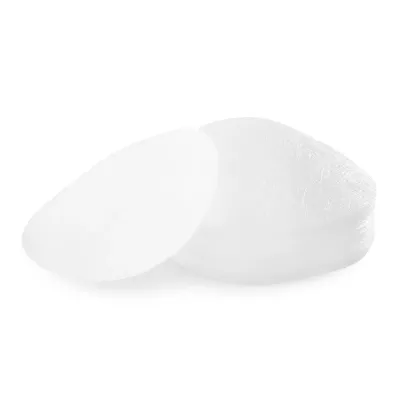
PTFE Membrane Filters
Hydrophobic membranes for gas filtration and venting.
View Product -
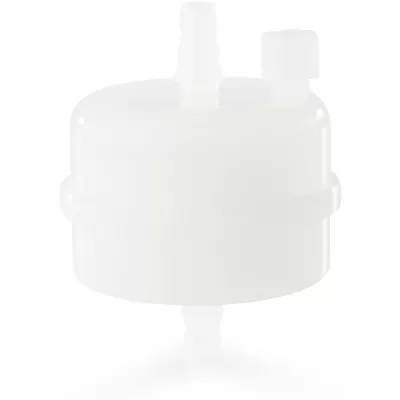
Capsule Filters
Inline filtration for larger gas and process lines.
Shop Capsule Filters -
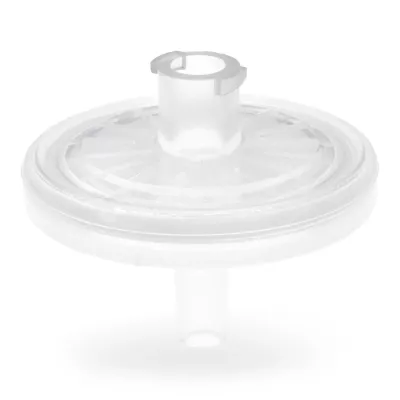
Syringe Filters
Protecting small lines and instruments.
Shop Syringe Filters -
Membrane Filters
The full range of membrane materials and sizes.
Shop Membrane Filters
Frequently asked questions
What is process gas filtration?
Process gas filtration removes particulates, liquids, and other contaminants from the gases used in manufacturing. Clean gas protects both the product being made and the equipment making it.
Why use hydrophobic filters for process gas?
Hydrophobic membranes such as PTFE and polypropylene let gas pass while keeping liquid water out. A hydrophilic membrane can wet out when moisture condenses, which blocks gas flow.
How do I prevent gas filters from clogging?
Use a prefilter to catch coarse particles before the fine filter, keep the gas stream dry, and choose a membrane that will not bind the contaminant you are removing. Monitoring pressure drop across the filter shows when it is time to replace it.
What is Modified Atmosphere Packaging?
Modified Atmosphere Packaging (MAP) replaces the air inside a food package with a controlled gas mix, often nitrogen, carbon dioxide, or both. Lowering the oxygen inside the package helps slow spoilage and extend shelf life.
Can I reuse a gas filter on a different gas line?
It is best not to. Filters exposed to reactive or corrosive gases can carry contamination to another line. Use dedicated filters for each gas stream, and replace filters with new ones during maintenance rather than reinstalling used ones.