

Why filtration matters in food and beverage
Filtration is used throughout food and beverage production to make products safer, better, and more efficient to produce. It removes particles, yeast, bacteria, and other contaminants that can affect taste, color, aroma, appearance, and shelf life.
It also protects the line itself. Filters keep particulates out of pipelines, valves, and tanks, which helps reduce blockages, buildup, and the cleaning downtime that comes with them.
Where filtration fits in production
- Process water and ingredientsWater and liquid ingredients are prefiltered to remove particulates before they enter production.
- ClarificationParticles and haze are removed so products like juice, beer, and wine look and taste the way they should.
- Microbial stabilityYeast and spoilage bacteria are removed with membrane filters, often just before bottling. 0.45 or 0.2 µm
- PackagingGases used to flush or fill packages are filtered to keep contaminants out.
- Quality control testingSamples are filtered in the lab before analysis, and membrane filters are used to count microorganisms in water and product samples.
How to choose the right filter
Pore size
Work from coarse to fine. A prefilter catches larger particles first, so the final membrane does not clog early. Many wineries filter wine through a 0.45 µm membrane before bottling to remove yeast and spoilage bacteria, and 0.2 µm is the standard when sterile filtration is required.
Membrane material
For liquids, hydrophilic membranes such as PES and PVDF are common choices. For packaging gases and vents, use a hydrophobic membrane such as PTFE that lets gas through while staying dry.
Format
Use syringe filters and membrane filters for lab and QC work, and capsule filters inline on production lines. If you need documentation for food contact, talk to our team about the specific product.
Filtration in the QC lab
Food safety labs test for additives, residues, and contaminants, often by HPLC. Samples are filtered first to protect the column: a 0.45 µm syringe filter is common for standard HPLC, and 0.2 µm is used for UHPLC. Nylon and PVDF suit aqueous samples, and PTFE suits aggressive organic solvents. Filtered samples then go into chromatography vials for analysis.
Best practices
- Prefilter heavily loaded liquids so final membranes last longer.
- Use a new syringe filter for every sample to avoid cross-contamination.
- Run a small trial before switching filters on a production line.
- Check membranes against the chemical compatibility chart for cleaning and sanitizing agents.
Products used in this workflow
-
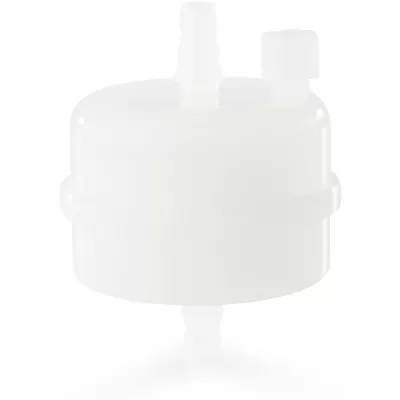
Polypropylene Capsule Filter, 1.0µm
Inline prefiltration for process liquids.
View Product -
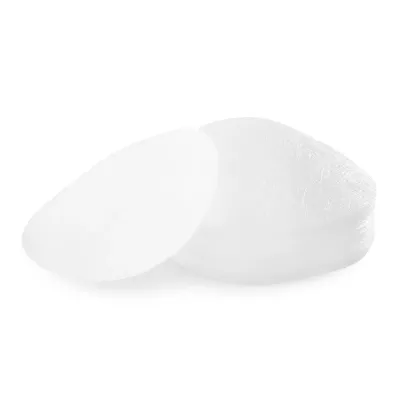
Membrane Filters
Microbial testing and lab filtration.
Shop Membrane Filters -
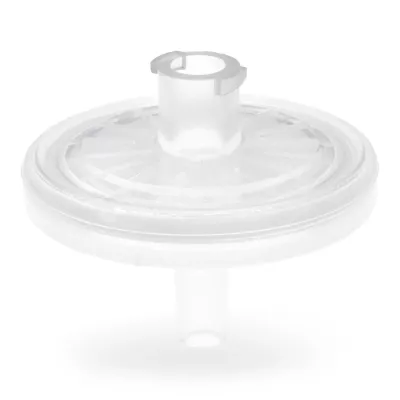
PES Syringe Filters, 0.45µm
QC sample prep for aqueous samples.
View Product -
Chromatography Supplies
Vials, caps, and septa for HPLC.
Shop Chromatography
Frequently asked questions
What role does filtration play in food and beverage production?
Filtration supports safety by removing microorganisms, quality by clarifying products and protecting flavor and appearance, and efficiency by keeping particulates out of pipelines and equipment.
What pore size removes yeast and bacteria from beverages?
Yeast cells are larger than most bacteria, so they are removed at larger pore sizes. Many wineries filter wine through a 0.45 µm membrane before bottling to remove yeast and spoilage bacteria, while 0.2 µm is the standard for sterile filtration. A prefilter upstream helps the final membrane last longer.
How does filtration help extend shelf life?
Removing the yeast and bacteria that cause spoilage helps keep beverages stable. Filtration can reduce or complement the need for heat treatment, which helps preserve flavor and aroma.
Which syringe filter should I use for food safety HPLC testing?
A 0.45 µm syringe filter is common for standard HPLC, and 0.2 µm is used for UHPLC or columns packed with very small particles. Nylon and PVDF suit aqueous samples, and PTFE suits aggressive organic solvents.
Are your filters suitable for food contact?
Food-contact requirements depend on the specific product and how it is used. Contact our team and we will help you find documentation for the product you are considering.