

Why filtration matters in waste management
Waste management facilities handle everything from household trash to industrial byproducts, hazardous chemicals, and electronic scrap. Managing those materials safely protects soil, groundwater, and public health.
Two federal laws set much of the framework. The Resource Conservation and Recovery Act (RCRA) governs how solid and hazardous waste is managed. The Clean Water Act regulates wastewater discharges, often through National Pollutant Discharge Elimination System (NPDES) permits that set limits for each facility. Filtration supports both the treatment of waste streams and the testing that shows limits are being met.
Where filtration fits
Landfill leachate
When water passes through waste in a landfill, it picks up dissolved and suspended contaminants. This liquid, called leachate, is collected and treated before it is discharged, either on site or at a wastewater treatment plant.
Wastewater and effluent
Wastewater from waste facilities is treated much like other wastewater, but often with higher contaminant levels. Effluent is sampled and tested to confirm it meets permit limits before release.
Recycling streams
Filters remove particles from recovered streams, such as reclaimed solvents and process water, which protects equipment and helps recovered materials meet quality specifications.
How compliance testing works
- Collect the sampleLeachate, effluent, or waste is sampled at the points the permit or method specifies.
- FilterSamples are filtered to separate dissolved and suspended material or remove solids before analysis. Often 0.45 µm
- AnalyzeThe lab measures metals, organics, and other contaminants using the required methods.
- Compare to limitsResults are checked against permit limits and regulatory thresholds.
- ReportResults are documented and reported to regulators.
Testing whether waste is hazardous
Some wastes are tested to see whether they could leach hazardous contaminants into the environment. The Toxicity Characteristic Leaching Procedure (TCLP), EPA Method 1311, does this by extracting a waste sample and analyzing the liquid. The method calls for binder-free borosilicate glass fiber filters rated 0.6 to 0.8 µm. For help sourcing filters for TCLP, talk to our team.
How to choose the right filter
Start with the method, since it specifies the filter material and pore size it was built around. Waste samples can contain solvents, acids, and other harsh chemicals, so PTFE, with the broadest chemical resistance, is a common choice for sample prep. For aqueous samples, hydrophilic membranes such as PES and PVDF filter quickly. Check your sample against the chemical compatibility chart.
Samples headed for HPLC are filtered first with a 0.45 µm syringe filter, or 0.2 µm for UHPLC, then placed in chromatography vials. Datasheets and certificates of analysis are on our Downloads and Datasheets page.
Products used in this workflow
-
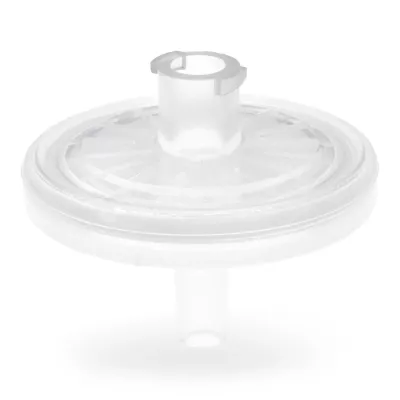
PTFE Syringe Filters, 0.45µm
Prepping chemically harsh samples.
View Product -
PES Syringe Filters, 0.45µm
Prepping aqueous effluent samples.
View Product -
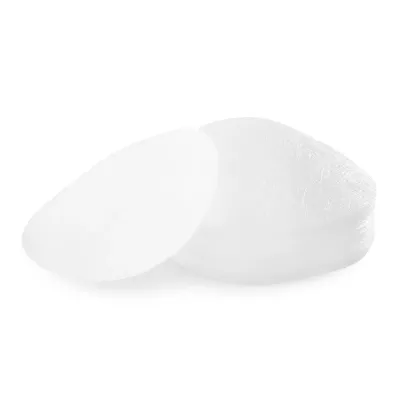
Membrane Filters
Vacuum filtration of larger samples.
Shop Membrane Filters -
Chromatography Supplies
Vials, caps, and septa for HPLC and GC.
Shop Chromatography
Frequently asked questions
What is leachate?
Leachate is the liquid that forms when water passes through waste in a landfill, picking up dissolved and suspended contaminants along the way. It is collected and treated before it is discharged.
Which regulations apply to waste management facilities?
The Resource Conservation and Recovery Act governs how solid and hazardous waste is managed. Wastewater discharges are regulated under the Clean Water Act, often through National Pollutant Discharge Elimination System permits that set limits for each facility.
What is TCLP, and what filter does it use?
The Toxicity Characteristic Leaching Procedure, EPA Method 1311, shows whether a waste could leach hazardous contaminants. It calls for binder-free borosilicate glass fiber filters with a 0.6 to 0.8 µm particle retention rating.
What filter should I use to prepare effluent samples?
Follow the filtration step in the method you are running. Water samples are commonly filtered through a 0.45 µm membrane before dissolved metals analysis. For samples with solvents or harsh chemicals, PTFE offers the broadest chemical resistance.
How does filtration support recycling?
Filters remove particles from recovered streams, such as reclaimed solvents and process water, which protects equipment and helps recovered materials meet quality specifications.