Your Cart (0)


← Back to Air and Gas Monitoring
Industrial Air Filtration: A Path to Cleaner Air
Air filtration probably isn't the most widely discussed subject around your home. However, most consumers are likely to be familiar with air filtration in some capacity. It's easy to understand why. Most people have changed an air filter for their furnace or vehicle, or maybe even a room air purification device. These small-scale air filtration processes help improve air quality on a local scale. However effective they may be in the home, industrial filtration processes affect global air quality.
Industrial air purification processes function very similarly to consumer-level filtration solutions. During manufacturing processes, byproducts like carbon monoxide, lead, ozone, nitrogen dioxide, and sulfur dioxide are released into the air. And when the air is saturated with potentially harmful contaminants, millions of people could suffer.
According to the Environmental Protection Agency (EPA), the United States released 66 million tons of pollutants into the air in 2023. While that number is significant and has a direct impact on global air quality, it is just a fraction of the estimated 36.6 billion tons produced globally. These pollutants produce smog, create a greenhouse effect, and threaten the health of living beings worldwide.
Many governmental agencies have established regulatory standards to ensure the monitoring of industrial pollutants. With accurate data on the type and volume of the pollutant, steps are introduced to reduce the environmental impact. Successful mitigation of industrial pollution depends on two major processes: identification and prevention.
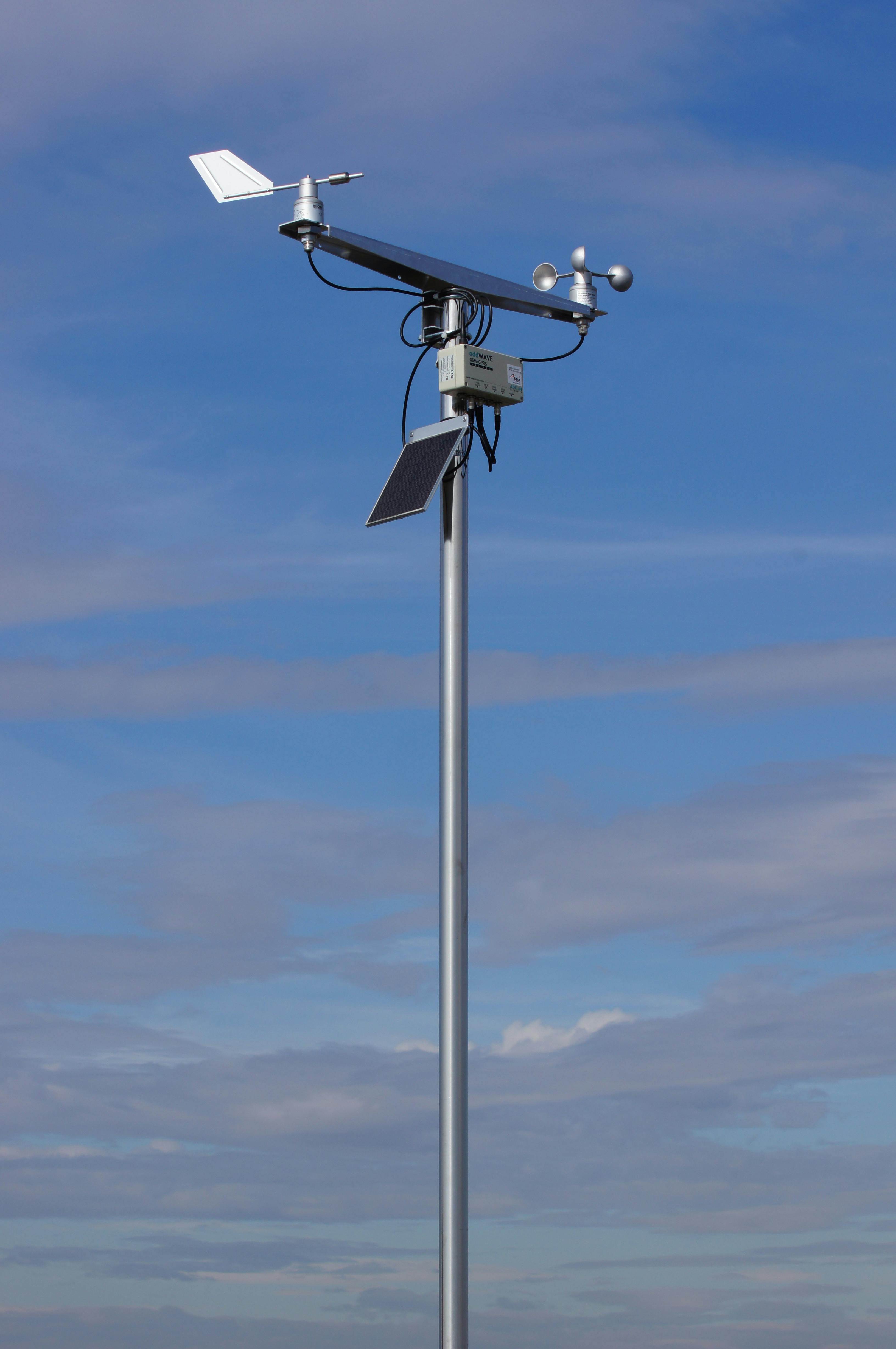
Industrial filtration plays a key role in the identification of air pollutants. Air quality monitoring stations are installed in locations where high levels of pollution are likely to be found. These air monitors collect ambient air and draw it through a filtration system. The particles collected on the filtration media can tell scientists the exact makeup of particles found in that location. These particles act as a fingerprint to identify the type and potential sources of pollution.
If the pollution levels are above the limits set in that local area, the responsible entities must implement processes to remediate the hazard. Fortunately, many industries have already taken steps to avoid releasing contaminants into the air. These steps often include filtration processes that help to remove a substantial portion of the pollutants. However, if production processes change, companies may need to alter their filtration needs to remain compliant with environmental standards.
The journey toward cleaner air relies heavily on effective filtration processes that not only help identify pollutants but also mitigate their release into the atmosphere. As pollution continues to pose a substantial threat to global air quality and public health, ongoing advancements in air filtration technology and strict regulatory measures will be essential. By prioritizing air quality, we can work together to create a healthier environment for current and future generations.
66M tons
US air pollutants released in 2023 (EPA)
2 key roles
Identification & prevention
PTFE / PVDF
Preferred membrane materials
EPA compliant
Regulatory standard support
Industrial air purification involves two interconnected processes: monitoring to identify what pollutants are present and at what levels, and active filtration to prevent those pollutants from being released or to remove them from the air stream. Both rely on high-quality filtration media to produce accurate and effective results.
Air monitoring and purification — step by step
1
Ambient air sampling
Air drawn through monitoring station filter to collect particulates
2
Particulate collection
Particles captured on membrane act as a fingerprint for pollutant identification
3
Analysis & reporting
Collected media analyzed to determine pollutant type, source, and volume
4
Compliance check
Data compared against EPA and local regulatory limits
5
Remediation filtration
Industrial filtration deployed to reduce pollutant release at the source
Key filtration requirements by application
| Application | Filtration role | Typical format | Recommended product |
|---|---|---|---|
| Ambient air quality monitoring | Particulate collection for analysis | Membrane filter (PTFE) | Membrane filters |
| Stack emissions monitoring | Industrial exhaust sampling | Membrane / capsule filter | Capsule filters / Membrane filters |
| Industrial exhaust scrubbing | Remove pollutants before release | Cartridge filter | Cartridge filters |
| Cleanroom air supply | Ultra-pure air delivery | Capsule / membrane filter (PTFE) | Capsule filters (PTFE) |
| HVAC / inline air protection | Continuous particulate removal | In-line disk filter | In-line disk filters |
Filter selection tool
Select your application type and environment to get a product recommendation.
Membrane material compatibility for air purification
| Membrane material | Chemical resistance | Hydrophobic | Low particle shedding | Air / gas use |
|---|---|---|---|---|
| PTFE | Excellent | |||
| PVDF | Good | |||
| Polypropylene (PP) | Good | |||
| Glass fiber | Moderate | |||
| Nylon | Poor |
Recommended
Use with caution
Not suitable
Recommended for air purification
Most used
Membrane Filters
PTFE membrane filters for ambient air monitoring, particulate collection, and EPA-compliant sampling workflows.
Shop membrane filters →
Most used
Capsule Filters
PTFE capsule filters for stack emissions monitoring, cleanroom air supply, and field air sampling applications.
Shop capsule filters →
Common
Cartridge Filters
High-throughput cartridge filters for industrial exhaust scrubbing and large-scale pollutant removal.
Shop cartridge filters →
Common
In-Line Disk Filters
Compact PTFE in-line filters for continuous HVAC and air stream particulate protection.
Shop in-line filters →
Common
Syringe Filters
PTFE syringe filters for small-scale air sample prep and laboratory analytical workflows.
Shop syringe filters →
Common
Membrane Roll Stock
PTFE membrane roll stock for custom-cut filter media used in air monitoring stations and sampling equipment.
Shop roll stock →
Not sure which product is right for your application? Use the Filter Selection Guide tab or contact our technical team.
How does industrial air filtration differ from home air filtration?+
Home air filtration — furnace filters, room purifiers — operates at low flow rates to remove household dust, allergens, and odors. Industrial air filtration operates at much higher volumes and pressures, targets chemically reactive pollutants like sulfur dioxide, nitrogen oxides, and heavy metals, and must meet strict EPA and regulatory compliance standards. The filtration media used at industrial scale requires far greater chemical resistance and particle retention precision.
What role does filtration play in air quality monitoring?+
Air quality monitoring stations draw ambient air through a filtration membrane to collect airborne particulates. The particles captured on the membrane act as a fingerprint — scientists analyze them to determine the exact type, concentration, and potential sources of pollutants in that location. This data drives regulatory compliance decisions and remediation strategies. PTFE membranes are preferred for this application due to their chemical inertness and low background contamination.
Why is PTFE the preferred membrane for air monitoring and purification?+
PTFE is chemically inert and hydrophobic, making it resistant to corrosive gases, humidity, and reactive pollutants. It also has very low particle shedding, which ensures that the particles collected on the membrane during air sampling represent the actual environment — not contamination from the filter itself. This is critical for accurate pollutant identification and regulatory reporting.
What are the most common industrial air pollutants that filtration addresses?+
Common industrial air pollutants targeted by filtration include particulate matter (PM2.5 and PM10), carbon monoxide, sulfur dioxide (SO₂), nitrogen dioxide (NO₂), ozone (O₃), volatile organic compounds (VOCs), and heavy metals such as lead and mercury. The specific filtration media and method selected depends on the pollutant type, concentration, and whether the goal is collection for monitoring or removal for prevention.
How often should air monitoring filter media be changed?+
Filter change frequency for air monitoring applications depends on pollutant load, flow rate, and the monitoring protocol in use. Most EPA-reference monitoring methods specify sampling intervals and filter change schedules as part of the method protocol. In high-pollution environments, filters may need to be changed after every 24-hour sampling run. In lower-pollution settings, longer sampling periods may be permissible. Always follow the applicable regulatory method for your application.
Do you carry filter media that meets EPA reference method requirements?+
Yes. Tisch Scientific supplies filtration media commonly used in EPA reference methods for ambient air quality monitoring, including PTFE membrane filters and glass fiber filters used in PM2.5 and PM10 sampling. Contact our technical team at 1-877-238-8214 or visit our contact page to confirm suitability for your specific method.
Tisch Scientific
Find the right filter
for your application
for your application
Browse PTFE membrane filters, capsule filters, cartridge filters, in-line disk filters, and more — all available in configurations optimized for industrial air purification and monitoring workflows.