Your Cart (0)



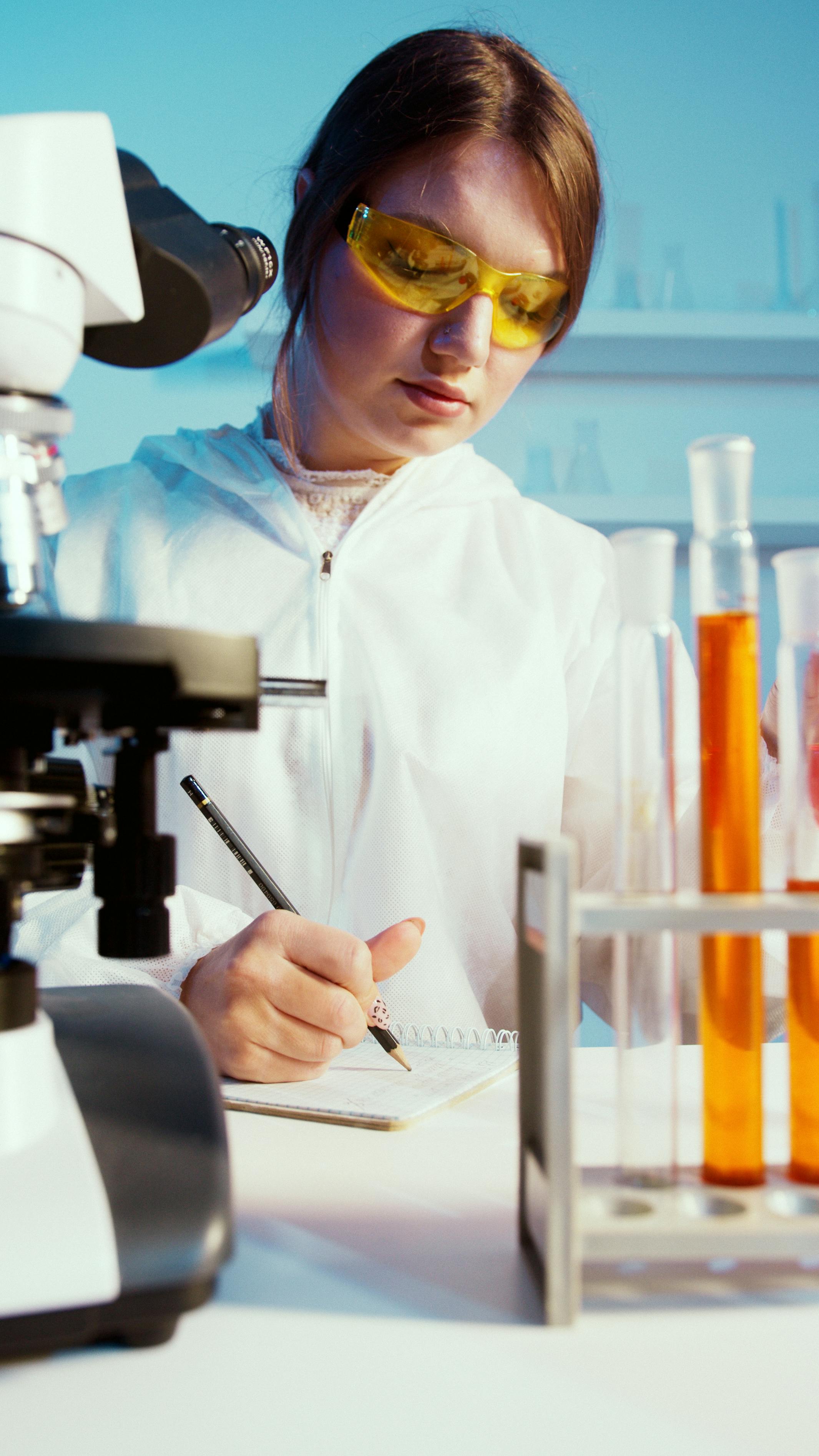
Advancing Scientific Research through Filtration
Scientific research continues to drive advancements that shape the world we live in today. In the field of bioscience, filtration processes are generally categorized into three major types: purification and sterilization, storage, and isolation.
For purification and sterilization, a buffer solution is pushed through filtration media with pores that are 0.22 µm or smaller. This process captures microorganisms and other contaminants, resulting in a solution that is free of impurities.
When filtering proteins for DNA or RNA extraction, these proteins are typically diluted in a buffer solution. However, such solutions can destabilize the protein samples and occupy significant storage space in a laboratory. To enhance stability and reduce storage requirements, the buffers can be concentrated through filtration.
In isolation applications, a buffer solution is filtered through a membrane filter using vacuum-assisted filtration. This technique draws the buffer through the filter, allowing the test media to retain specific desired particulate matter for growing cultures or for direct examination.
These filtration processes are employed daily in laboratories worldwide for biochemistry, pharmaceutical development, diagnostic testing, and genetic research.
0.05–1.0 µm
Pore size range across applications
3 process types
Purification, storage & isolation
PES · PVDF · MCE
Common membrane materials
4 applications
Cell culture · Purification · Diagnostics · Bioprocessing
Bioscience Applications
Cell Culturing and Tissue Engineering
Sterile filtration of culture media, scaffolds, and biological fluids to support cell growth and tissue development.
0.2–0.45 µmPES / PVDF Learn more ›Biomolecule Purification
Isolation of proteins, DNA, and RNA from complex mixtures using micro, ultra, and nanofiltration techniques.
0.05–0.2 µmHPLC ready Learn more ›Diagnostic and Clinical Testing
Lateral flow assays, biochemical testing, and HPLC sample preparation for lab and point-of-care applications.
NitrocelluloseGlass fiber Learn more ›Bioprocessing
Intra and extracellular process filtration for biofuels, therapeutics, industrial enzymes, and scalable manufacturing.
TFF / Dead-endScalable Learn more ›The three core bioscience filtration processes
Purification & Sterilization
A buffer solution is pushed through filtration media with pores of 0.22 µm or smaller, capturing microorganisms and contaminants to produce a sterile, impurity-free solution.
≤ 0.22 µmConcentration & Storage
Protein-containing buffer solutions are concentrated through filtration to enhance stability and significantly reduce storage space requirements in the laboratory.
Ultrafiltration / MWCOIsolation
Buffer solutions are filtered through a membrane using vacuum-assisted filtration, retaining specific particulate matter for culture growth or direct examination.
Vacuum-assistedFrequently asked questions
What types of filtration are most common in bioscience?+
The three primary filtration categories in bioscience are purification and sterilization (≤ 0.22 µm, removes microorganisms), concentration and storage (ultrafiltration/MWCO-based, for buffer exchange and protein concentration), and isolation (vacuum-assisted membrane filtration for capturing target particulate matter).
Which membrane material should I use for bioscience applications?+
PES and PVDF are the most widely used membranes in bioscience due to their low protein binding, broad chemical compatibility, and availability in sterile grades. MCE is common for general sterile filtration. The right choice depends on your specific sample, solvent, and pore size requirements — see our Material Compatibility Chart.
What is the difference between the four bioscience application areas?+
Cell Culturing & Tissue Engineering focuses on sterile preparation of growth media and scaffolds. Biomolecule Purification isolates proteins, DNA, and RNA from complex mixtures. Diagnostic & Clinical Testing uses lateral flow and assay membranes for detecting biological markers. Bioprocessing covers large-scale intra and extracellular processes for manufacturing therapeutics, biofuels, and industrial products.
Do you offer custom filtration products for bioscience?+
Yes. Tisch Scientific offers a Special Request Form for custom configurations including non-standard pore sizes, membrane materials, or filter dimensions. Contact our technical team at 1-877-238-8214 or visit the Special Request Form page.
Tisch Scientific
Find the right filter
for your application
for your application
Browse our full catalog of syringe filters, membrane filters, capsule filters, chromatography products, and more — all optimized for bioscience workflows.