Your Cart (0)


← Back to Regulatory and Compliance
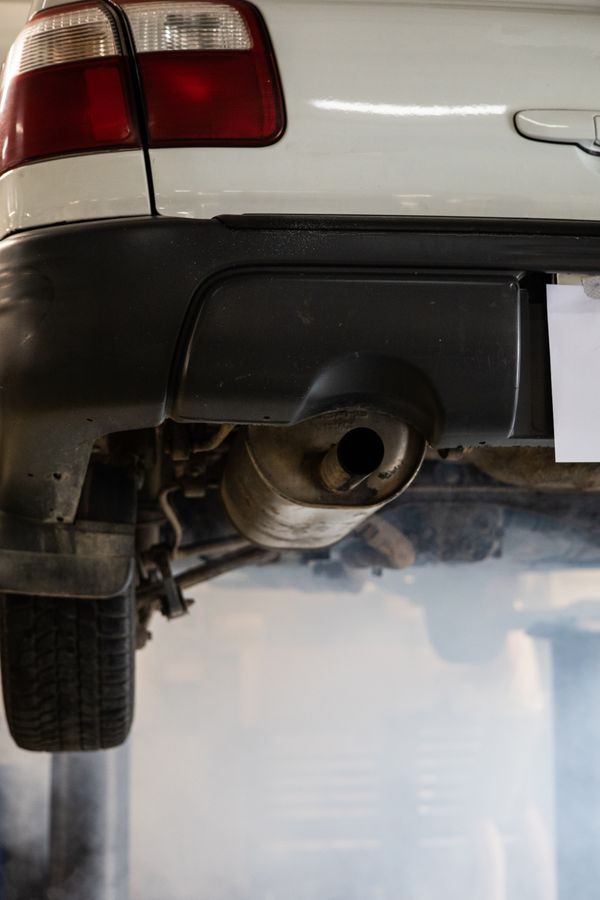
Filtration Supports Environmental Compliance Across Air, Water, and Soil
Environmental compliance encompasses the ongoing obligation of industries and governments to monitor, report, and limit their impact on the surrounding ecosystem. Regulatory agencies — primarily the EPA in the United States — establish permissible limits for pollutants in air, water, and soil, and require responsible parties to demonstrate through documented testing that those limits are being met.
Filtration media is at the heart of environmental compliance testing. Air quality monitors draw ambient air through membrane filters to collect particulate matter, which is then analyzed to identify pollutant types and concentrations. Water and soil samples are passed through syringe and membrane filters before laboratory analysis to remove interfering solids. The accuracy of all compliance reporting depends on using the correct membrane material, pore size, and filter format for each specific EPA method.
Emissions testing is one of the most critical components of environmental compliance for industrial facilities. Stack emissions from power plants, manufacturing facilities, chemical plants, and incinerators must be sampled and analyzed under EPA reference methods — such as EPA Method 5 for particulate matter and EPA Methods 6 and 7 for sulfur dioxide and nitrogen oxides. PTFE membrane filters are the standard collection medium for stack sampling due to their chemical inertness, resistance to high-temperature exhaust gases, and extremely low background contamination. Results are used to verify that a facility's emissions remain within permitted levels and to identify when process modifications or additional emission controls are required.
For soil and sediment compliance testing, extracts must be filtered before HPLC, GC, or ICP-MS analysis to remove particulates that could damage analytical instruments or interfere with results. Certified analytical grades of syringe filters and chromatography vials are used to ensure that the filtration step itself does not introduce contamination that could generate false positives or mask genuine exceedances.
As environmental standards continue to tighten globally, and as industries face greater scrutiny from regulators and the public alike, the reliability and traceability of environmental compliance filtration becomes increasingly important. Choosing filtration products that are appropriate for the specific EPA method, and documenting their use as part of a quality system, is essential for defensible compliance reporting.
EPA methods
Primary compliance framework
PTFE / MCE
Primary membrane materials
Air · water · soil
Three compliance media types
Stack & ambient
Two key emissions testing modes
Environmental compliance testing follows tightly prescribed EPA reference methods that specify exactly which filter media, pore size, and collection procedure must be used for each pollutant type. Deviating from the specified method — including using a non-compliant filter — can invalidate the test data and expose the facility to regulatory risk.
Compliance testing — step by step
1
Sample collection
Air, water, or soil sampled using EPA method-specified equipment and filters
2
Filter collection
Particulates and contaminants captured on membrane for gravimetric or chemical analysis
3
Sample preparation
Liquid extracts filtered through syringe filters to remove interfering solids
4
Laboratory analysis
HPLC, GC, ICP-MS, or gravimetric analysis determines pollutant concentration
5
Regulatory reporting
Results documented and submitted to EPA or relevant agency for compliance verification
Key filtration requirements by compliance area
| Compliance area | EPA method (examples) | Membrane | Recommended product |
|---|---|---|---|
| Ambient air — PM2.5 | EPA Method 2.5 | PTFE, 2 µm | Membrane filters (PTFE) |
| Ambient air — PM10 | EPA Method 2.10 | PTFE or MCE | Membrane filters |
| Stack emissions — particulate | EPA Method 5 | PTFE or glass fiber | Membrane filters (PTFE) / Capsule filters |
| Water — dissolved metals / organics | EPA Methods 200, 500 series | MCE or PVDF, 0.45 µm | Syringe filters |
| Soil / sediment extracts | EPA Methods 8000 series | PTFE or PVDF, 0.45 µm | Syringe filters / Chromatography vials |
Filter selection tool
Select your compliance area and sample medium to get a recommendation.
Membrane material compatibility for environmental compliance
| Membrane | Low background | Chemical resistance | Air / stack sampling | Water sampling | Soil extract / HPLC |
|---|---|---|---|---|---|
| PTFE | |||||
| MCE | |||||
| PVDF | |||||
| Glass fiber | |||||
| Nylon |
Recommended Use with caution Not suitable
Recommended for environmental compliance
Most used
Membrane Filters
PTFE and MCE membrane filters for EPA-compliant PM2.5, PM10, and stack emissions sampling.
Shop membrane filters →Most used
Syringe Filters
0.45 µm PTFE, PVDF, and MCE for water, groundwater, and soil extract sample preparation prior to analysis.
Shop syringe filters →Common
Capsule Filters
PTFE capsule filters for high-flow stack emissions sampling and field air monitoring applications.
Shop capsule filters →Common
Chromatography Vials
For HPLC and GC-MS analysis of environmental samples including VOCs, SVOCs, pesticides, and heavy metals.
Shop chromatography vials →Common
Membrane Roll Stock
PTFE roll stock for custom-cut collection media used in stationary ambient air monitoring equipment.
Shop roll stock →Common
In-Line Disk Filters
Inline PTFE filters for protecting continuous emissions monitoring systems (CEMS) and analytical instruments.
Shop in-line filters →Not sure which product fits your compliance method? Use the Filter Selection Guide tab or contact our technical team.
What EPA reference methods specify which filters to use for stack emissions testing?+
EPA Method 5 is the primary reference method for measuring particulate emissions from stationary sources (stacks). It specifies a glass fiber or PTFE filter at a controlled sampling temperature. EPA Methods 6 and 7 address SO₂ and NOx emissions. EPA Method 29 covers trace metals in stack emissions. Each method prescribes specific filter materials, pore sizes, and collection procedures — using a non-specified filter type can invalidate the test data and create regulatory risk for the facility.
Why is PTFE preferred for both ambient air and stack emissions sampling?+
PTFE is chemically inert, hydrophobic, and resistant to the corrosive gases present in industrial stack emissions. Its extremely low background contamination means that the particles collected on the filter represent the actual emission — not artifacts from the filter itself. PTFE also withstands the elevated temperatures encountered in stack sampling probes without degrading or releasing contaminants into the sample.
What filter pore size should I use for water compliance testing?+
For most EPA water quality methods, 0.45 µm is the standard pore size for filtering water samples prior to dissolved metals or nutrient analysis — it separates dissolved from particulate fractions as defined by EPA methodology. For VOC and SVOC analysis by GC-MS (EPA 8000 series), 0.45 µm PTFE or PVDF syringe filters are used to remove solids from extracts before injection. Always verify the specific filter requirement in the applicable EPA method.
How often should compliance monitoring filters be changed?+
Filter change frequency is specified in the applicable EPA reference method and depends on the pollutant load, flow rate, and sampling duration. Ambient air monitoring filters are typically changed after each 24-hour sampling run. Stack sampling filters are used for a single test run. In continuous emissions monitoring systems (CEMS), in-line filters protecting analytical instruments are changed on a maintenance schedule based on pressure drop monitoring or manufacturer recommendations.
Do Tisch Scientific filters meet EPA reference method specifications?+
Yes. Tisch Scientific supplies PTFE and MCE membrane filters commonly used in EPA reference methods for ambient air and stack emissions monitoring. We also supply syringe filters and chromatography vials used in EPA water and soil analytical methods. Contact our technical team at 1-877-238-8214 to confirm which products meet the specifications of your specific EPA method.
Tisch Scientific
Find the right filter
for your application
for your application
Browse PTFE and MCE membrane filters, syringe filters, capsule filters, chromatography vials, and membrane roll stock — all available in grades suited for EPA reference method environmental compliance testing.