Your Cart (0)


Advancing Humanity Through Innovation
Since the dawn of time, mankind has sought ways to advance its understanding of the world and make life more sustainable. Early pioneers found new food sources, created machines, developed medicines, and discovered power sources. These advancements served humanity by pushing beyond the boundaries of what was known to learn and grow.
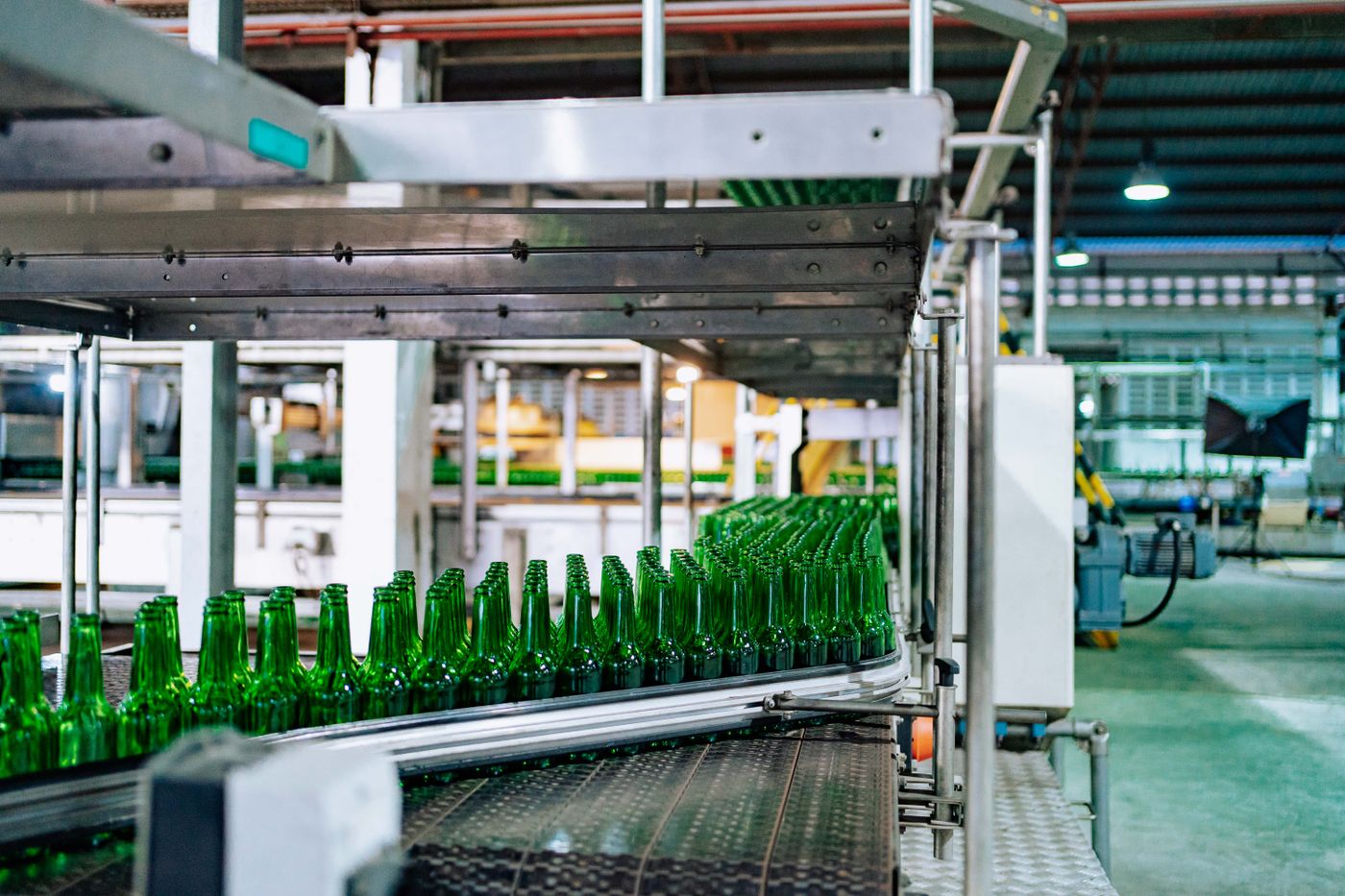
In the thousands of years since the first homo sapiens walked across the land, mankind has industrialized food production, pharmaceutical research and development, broadened our understanding of the chemical and biological world, and developed new sources of energy. Unfortunately, hazards accompanied many of these innovations. Food production was susceptible to harmful bacteria. Pharmaceutical manufacturers faced the need for purification processes. Chemical engineering experienced environmental contamination conditions. Electronics required the use of heavy metals that were often toxic to humans. Emerging energy industries needed a way to create electricity, safely store it, and deliver it to consumers.
Filtration processes play a significant role in addressing many of the hazards that arise in industrial manufacturing. Now, filters manufactured with exact specifications can purify solutions so that particles as small as 0.05 microns are removed. Purification is only one solution provided by filters. They are also used to isolate ingredients, concentrate DNA proteins, and ensure regulatory compliance for stringent safety standards.
As we move forward in our quest for innovation, the importance of advanced filtration processes cannot be overstated. These technologies not only enhance the safety and quality of our products but also contribute to a more sustainable future by minimizing environmental impacts and ensuring public health.
0.05 µm
Smallest particle size removable
5 industries
Food & Bev · Pharma · Chemical · Electronics · Energy
Purification
Primary filtration function
Regulatory
Compliance support across all sectors
Industrial Filtration Applications
Food and Beverage
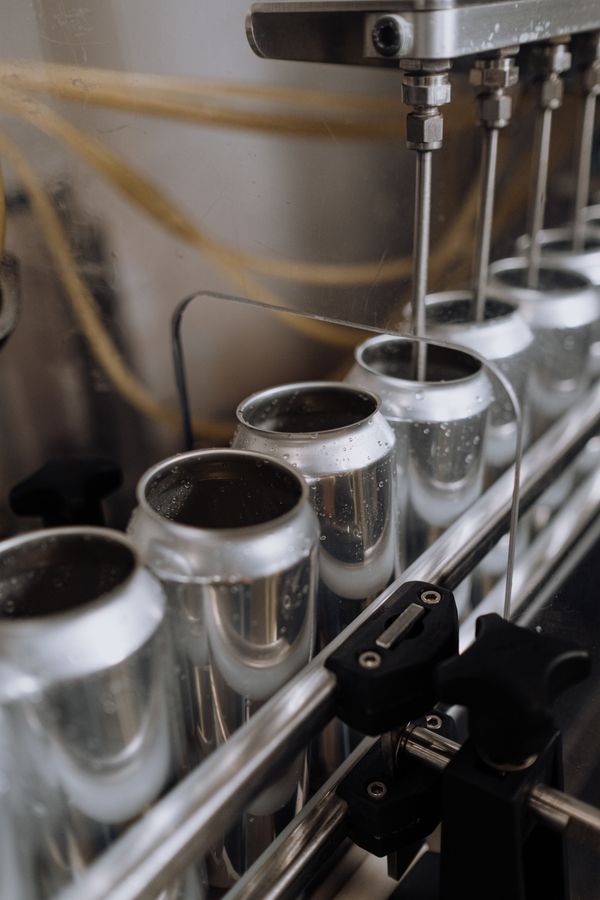
Sterile filtration, bacteria removal, and ingredient isolation for safe, high-quality food and drink production.
0.2–0.45 µmSterile Learn more ›Pharmaceutical
High-purity filtration for drug manufacturing, API purification, and sterile product compliance.
0.2 µm sterileLow extractables Learn more ›Chemical Engineering
Chemical-resistant filtration for solvent processing, compound synthesis, and reaction purification.
PTFE / PPCorrosion resistant Learn more ›Electronics Manufacturing
Ultra-pure chemical filtration for semiconductor fabrication, PCB manufacturing, and cleanroom processes.
Ultra-pureSub-micron Learn more ›Energy
Filtration for fuel cells, battery electrolytes, and power generation fluid purification and protection.
Fuel cellHigh purity Learn more ›How filtration addresses industrial challenges
Food & Beverage Safety
Food production is susceptible to harmful bacteria, contamination, and spoilage. Sterile filtration removes microorganisms and particulates to ensure safe, compliant consumables.
0.2 µm PES/PVDFPharmaceutical Purity
Drug manufacturers require strict purification to meet FDA and GMP standards. Filters with low extractables and validated retention ensure product integrity and patient safety.
0.2 µm sterile-gradeChemical Compatibility
Chemical engineering processes involve aggressive solvents and corrosive compounds. PTFE and polypropylene membranes resist chemical attack while maintaining precise separation.
PTFE / PPElectronics Contamination
Semiconductor and electronics manufacturing requires ultra-pure process chemicals. Sub-micron filtration removes metal ions and particles that could damage circuit components.
Sub-micron PTFEEnergy Efficiency
Fuel cells, batteries, and power systems require purified electrolytes and process fluids. High-purity filtration protects components and maintains energy conversion efficiency.
High-purity membranesRegulatory Compliance
All industrial sectors face increasing regulatory requirements. Validated filtration solutions with documented performance and quality certifications support compliance across agencies.
GMP / FDA / EPAFrequently asked questions
What is the smallest particle size that industrial filters can remove?+
Modern industrial filters can remove particles as small as 0.05 microns (50 nanometers). This level of filtration is used in pharmaceutical sterile manufacturing, semiconductor processing, and high-purity chemical applications. Standard sterile filtration uses 0.2 µm membranes, which reliably remove bacteria and most microorganisms.
How do I select the right membrane material for my industrial application?+
Membrane selection depends on four key factors: chemical compatibility with your process fluid, required pore size for your target contaminant, operating temperature and pressure, and regulatory requirements for your industry. PTFE is the most chemically resistant option and suits aggressive solvents and gases. PES and PVDF are preferred for aqueous solutions requiring low protein binding. Nylon works well for general aqueous filtration. Use our Material Compatibility Chart to verify your selection.
What are the key differences between the five industrial filtration sectors?+
Food & Beverage focuses on sterile filtration for safety and shelf life. Pharmaceutical requires validated, low-extractable filtration for drug purity and FDA/GMP compliance. Chemical Engineering needs chemically resistant membranes for solvent and reagent processing. Electronics Manufacturing requires ultra-pure sub-micron filtration to prevent circuit defects. Energy applications need high-purity filtration for fuel cells, electrolytes, and power generation fluid systems.
Do you provide quality certificates for industrial filtration products?+
Yes. Tisch Scientific can provide quality certificates and documentation for filtration products used in regulated industrial applications. Visit our Request Quality Certifications page or contact our customer support team to request documentation for your specific products.
Can you supply custom filter configurations for industrial processes?+
Yes. Tisch Scientific offers a Special Request Form for non-standard pore sizes, membrane materials, housing formats, and dimensions suited to specific industrial processes. Contact our technical team at 1-877-238-8214 or visit the Special Request Form page.
Tisch Scientific
Find the right filter
for your application
for your application
Browse syringe filters, membrane filters, capsule filters, cartridge filters, and more — all available in the pore sizes and membrane materials needed for industrial filtration across every sector.